The learning interface 💻
Welcome to Tech Club
An initiative by the students of SVKM’s J.V. Parekh International School

Aviation industry hit by climate change
The recent climate change protests include passengers preventing aircrafts from taking off by creating some kind of interruption after boarding the aircraft. British Airways is the most affected airline due to these protests.
Airplanes emit hazardous particles and gases such as carbon dioxide , water vapour, hydrocarbons, carbon monoxide, nitrogen oxides, sulphur oxides, lead, and black carbon as the primary pollutants.
International Airlines Group (IAG) announced the pledge on Thursday, saying it would replace older aircraft, invest in sustainable jet fuel and develop technology that eliminates CO2 from the atmosphere.
Its flagship carrier, British Airways, will also offset all carbon emissions produced by its domestic flights starting the subsequent year by investing in solar energy products and planting trees in South America, Africa and Asia.
This could be a very bold and strong step taken by the airline towards the initiative but if all the airlines of the world pledge to this we could be looking at a much brighter future.
Airbus and Boeing could invest in creating new aircrafts that are more economical and reduce pollutants. Another invention that can be possible is electric aircrafts, that is aircrafts that run on electricity. The amount of energy required to run a plane would be humungous thus, this task looks impossible to achieve at the moment. However, we can always make an effort to try and save our future and the future of this planet.
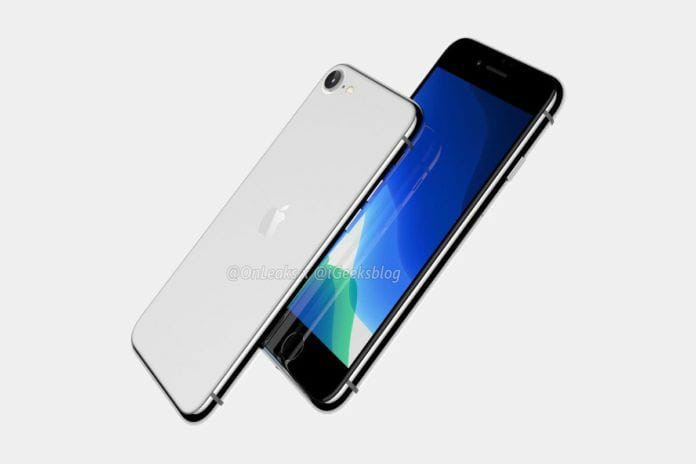
A cheap gateway to the IOS experience
An affordable iPhone has been in the works at Apple for a while now and it is most probably going to be called the iPhone 9. It picks up where the iPhone SE left off, which was a small, compact and relatively inexpensive iPhone, aimed at casual users who love the IOS experience.
Design
The leaked renders of this new phone show it to have the same skeleton as the iPhone 8, which was launched in mid-2017. It is highly likely that it will have the beloved touchID, first introduced with the iPhone 5s, along with this it may or may not include FaceID, which right now is one of the most secure and convinient use of biometrics on a phone. A 4.7 inch screen, back and front glass and wireless charging is said to return.
Specifications
With a 4.7 inch LCD screen is arguably a good enough compromise for the lightning fast A13 bionic chipset,present in the iPhone 11 and iPhone 11 pro models, which is, as of now, the fastest chipset available in a phone on the market. Like the iPhone XR, it is only going to have a single 12 megapixel camera, missing out on the fan favourite- ultrawide lens.
Price
The iPhone 9 is going to be priced at $399 or about RS.29,000 (converted), a shocker for an Apple device in 2020. At this price it will compete with likes of the OnePlus 7T and device from Realme and Oppo, which dominate the upper-mid-range market.
It will be a tough choice picking the iPhone 9 over multiple Android phones competing at this price range, specially considering the low screen-to-body ratio, LCD screen. It is highly likely that the screen will only be have 60 hertz refresh rate, when companies like Xiomi are offering 120 hertz refresh rate screens even for prices around 15,000 Indian rupees. On the other hand it’s a come commendable move by Apple to allow fans to join the Apple ecosystem at an affordable price.
-Sahil Valecha
PC- @onlookers
Follow Our Blog
Get new content delivered directly to your inbox.
 techclub.svkm